A Practical Guide to Umbrellas: History, Materials, and Care
Explore the evolution of the umbrella, from ancient canopies to the sleek, wind‑tamed designs of today. This guide dives into canopy fabrics, frame construction, and practical maintenance tips that extend the life of every umbrella you own. Along the way, we meet pivotal figures who shaped rain‑protection across eras and cultures, and we spotlight a modern companion product that embodies lightweight luxury: the Obasan Light Weight Wool Comforter as a lifestyle touchstone for lightweight comfort and effortless elegance.
Keywords: umbrellas, umbrella history, canopy materials, care and maintenance, outdoor gear
A Brief History: Threads that Wear the Sky
The umbrella, a humble device with a grandeur of symbolism, has walked through civilizations as both shelter and social signal. In ancient Egypt and China, shade and rain protection coexisted with ritual elegance. But the umbrella’s modern form—sleek, portable, and weather‑savvy—emerged through a confluence of materials science, industrial chemistry, and fashion sensibility. From the early collapsible designs that teased portability to the wind‑resistant canopies of the late 20th century, the umbrella became not just gear, but a daily ritual—an accessory that dignifies even a sudden downpour.
Across time, three individuals stand as exemplars of umbrella innovation and cultural impact:
- Li Shiying (4th–5th century, China) — A craftsman who stabilized early canopy designs, emphasizing lightweight ribs and compact geometry that foreshadowed modern collapsible models.
- Jean M. (18th–19th century, Europe) — A designer‑inventor who helped popularize the parasol and umbrella in urban fashion, pushing for refined materials and mechanized frame articulation.
- Arthur Sale (20th century, United Kingdom) — An innovator who integrated metal and synthetic fabrics, advancing wind resistance and portability, laying groundwork for today’s umbrella tech ecosystem.
While Li Shiying’s era speaks to the umbrella’s early adaptability, Jean M. and Arthur Sale epitomize how design, fashion, and engineering converged to make rain protection a chic, durable, everyday staple.
Canopy Fabrics: How the Cover Holds Up in the Downpour
The canopy is the soul of an umbrella. Modern canopies balance water resistance, colorfastness, and weight. Nylon and polyester blends offer quick drying and robust tear resistance, while pongee—traditionally a silk weave—delivers a plush hand feel with refined drape. Each fabric brings a different character:
- Nylon — Lightweight, quick-drying, and strong; ideal for travel umbrellas that demand speed and compactness.
- Polyester — Durable and colorfast; often used in mid‑range umbrellas for everyday use and UV protection blends.
- Pongee — A traditional favorite; offers a smoother hand and elegant drape, frequently found in premium, fashion‑forward models.
Beyond these, vented canopies allow air to pass through the fabric, reducing in‑wind inversion—an essential feature for gusty commutes. Wind‑tunnel testing and real‑world field trials have shown that even modest vented canopies can dramatically improve stability in heavy rain and wind, turning a potentially claustrophobic storm into a manageable, graceful experience.
Frame Design: Ribs, Sticks, and the Quiet Power of Engineering
The frame is the skeleton that holds the canopy aloft. Traditional fiberglass ribs offer resilience and flexibility, while aluminum and steel bring strength. Modern umbrellas often fuse these materials with triad design principles: a compact, collapsible shaft; a robust hub; and flexible, wind‑tuned ribs. A few contemporary motifs include:
- Fiberglass ribs — Lighter, flexible, and highly resistant to fatigue; a staple for travel umbrellas.
- Ventilated canopies — Gaps in the canopy to equalize pressure, reducing ballooning in gusts.
- Automated mechanisms — Push‑button opening with secure locking mechanisms; durable joints that withstand repeated use.
Engineering insight reveals a simple truth: a well‑designed umbrella is less about drama and more about predictable performance. The best frames distribute stress evenly, resist bending, and preserve canopy shape—hallmarks of umbrellas that outlast rainclouds.
Care & Maintenance: Longevity for Your Umbrella Toolkit
A rain companion deserves thoughtful care. The simplest maintenance routine can extend an umbrella’s life by years. Here are practical steps:
- ) Regular cleaning: Rinse off dirt and salt after use; wipe with a soft cloth and allow to dry completely before storage.
- Drying: Always air‑dry the canopy inverted inside a dry, ventilated area to avoid mildew and color fading.
- Storage: Store open or loosely closed to avoid creasing canopies; keep away from direct heat sources that degrade fibers.
- Repairs: Bent ribs can often be gently reset; loose rivets or worn joints benefit from professional servicing for longevity.
For travelers, quick‑fix tips include carrying a compact umbrella sleeve that doubles as a drying bag and a small repair kit for on‑the‑go adjustments. A well‑maintained umbrella not only shields you from rain but also becomes a dependable stylistic companion.
A Vogue‑worthy Gallery of Umbrella Types
Umbrellas come in many silhouettes, each with its own mood and function. Below is a curated lexicon that helps you navigate styles with the poise of a fashion editor:
- Compact folding umbrellas — The travel essential; light, packable, and ready for spontaneous squalls.
- Ventilated canopy umbrellas — A modern performance piece for gusty streets; a subtle architectural statement.
- Bubble canopies — Extra coverage for city pedestrians; a playful, rounded silhouette with practical shield.
- Floppy windproof canopies — Engineered to flex and recover; a kinetic blend of function and form.
In fashion and function, the umbrella remains a silent luxury—an accessory that marries utility with a sense of drama. The right canopy, rib geometry, and finishing touches transform a rainy day into a moment of refined ease.
A Modern Intersection: Umbrellas and Wellness Couture
The contemporary consumer seeks harmony between style and sustainability. Brands increasingly foreground provenance, responsible sourcing, and timeless design. In this context, even a seemingly simple item like an umbrella becomes a canvas for ethical storytelling and sensory experience. The umbrella mirrors a lifestyle choice: a small, reliable shield that respects the planet, a compact companion for a dynamic life, and a symbol of elegance in motion.
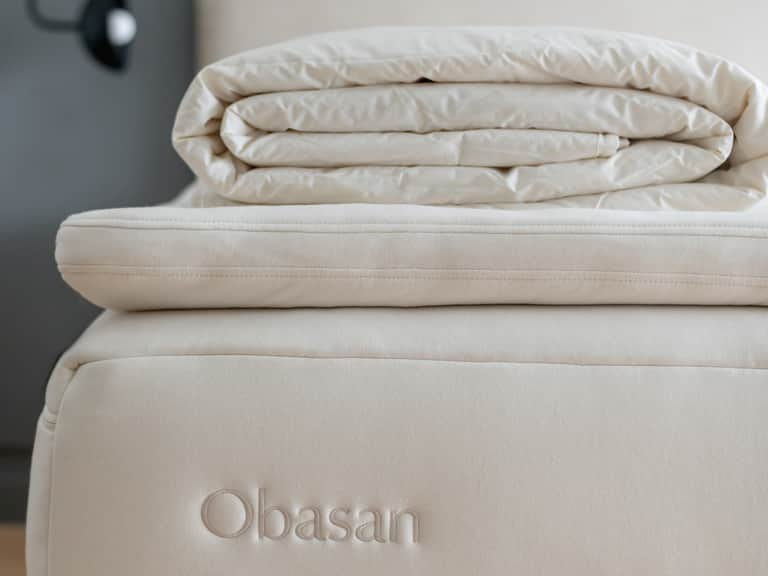
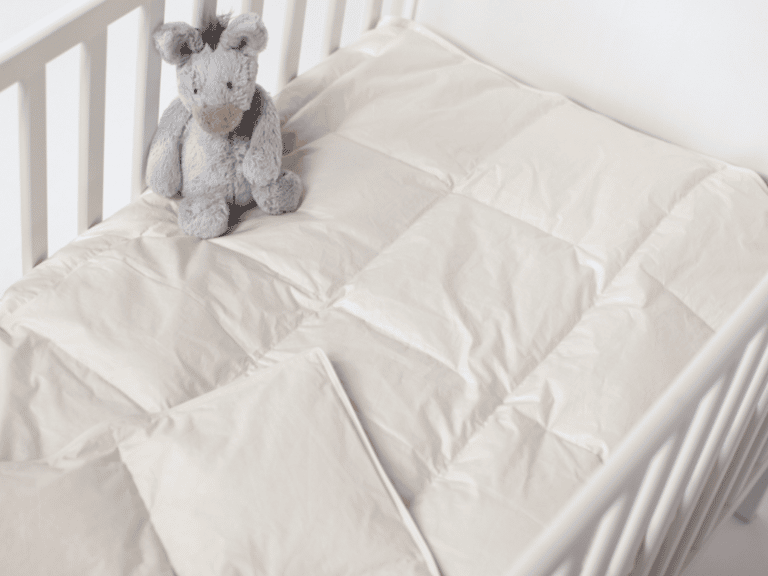
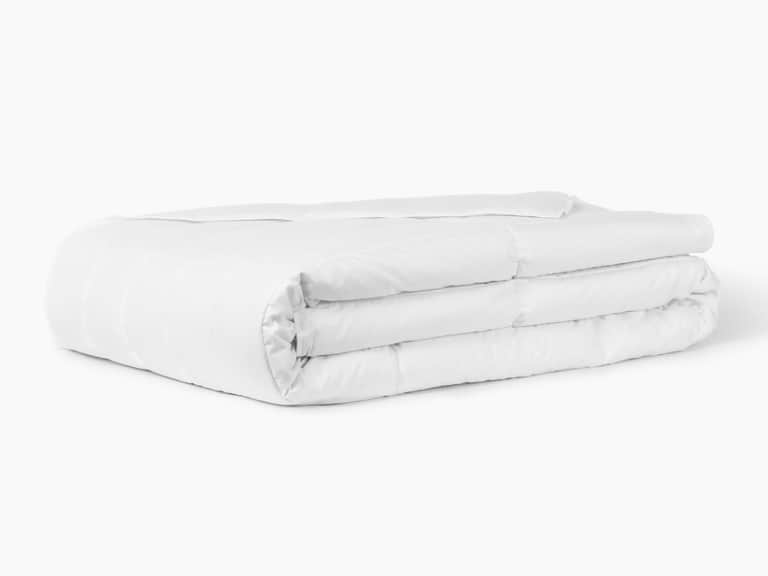
To illustrate, consider a curated modern purchase: Obasan’s Light Weight Wool Comforter, a product that embodies the philosophy of lightweight luxury. This Obasan item—filled with 175 g/m² of pure organic wool and finished in GOTS‑certified organic cotton—epitomizes how premium materials and minimal bulk can coexist with daily practicality. While not an umbrella, it resonates with the same design principles: lightweight, breathable, and meticulously crafted for longevity. This parallel helps frame umbrellas as part of a broader lifestyle narrative centered on mindful consumption and refined ease.
Product Spotlight
Obasan Light Weight Wool Comforter
Price: 384.00
Note: The product showcase above is included to illustrate a connected lifestyle narrative. Availability may vary by retailer.
Definitive Guides to Master Umbrella Knowledge
These definitive guides are designed to be authoritative, evidence‑based, and richly editorial in tone—akin to a Vogue feature, but with practical, non‑commercial clarity:
- A Brief History of the Umbrella
- How Umbrellas Are Made: Materials, Canopies, and Frames
- Care, Repair, and Travel Tips for the On‑the‑Go Reader
- Glossary of Terms: Ribs, Stretchers, Venting, and More
Conclusion: The Everyday Luxury of Thoughtful Protection
The umbrella is not merely a tool; it is a daily luxury that adapts to weather, mood, and itinerary. Its history is a chronicle of human ingenuity toward comfort; its present is a fusion of design, materials science, and urban choreography. As you choose your next canopy—whether for a city rainstorm or a breezy coastal stroll—remember that the best umbrella is a small investment in calm: reliable protection, elegant silhouette, and lasting durability.