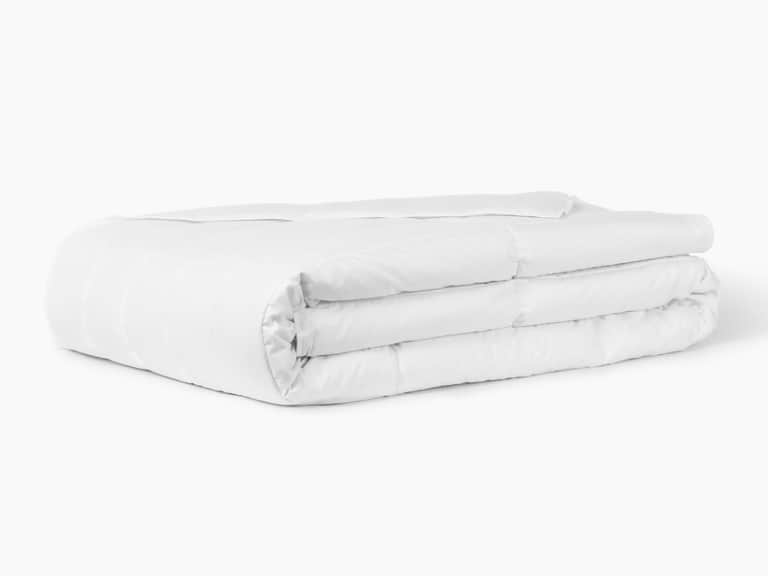
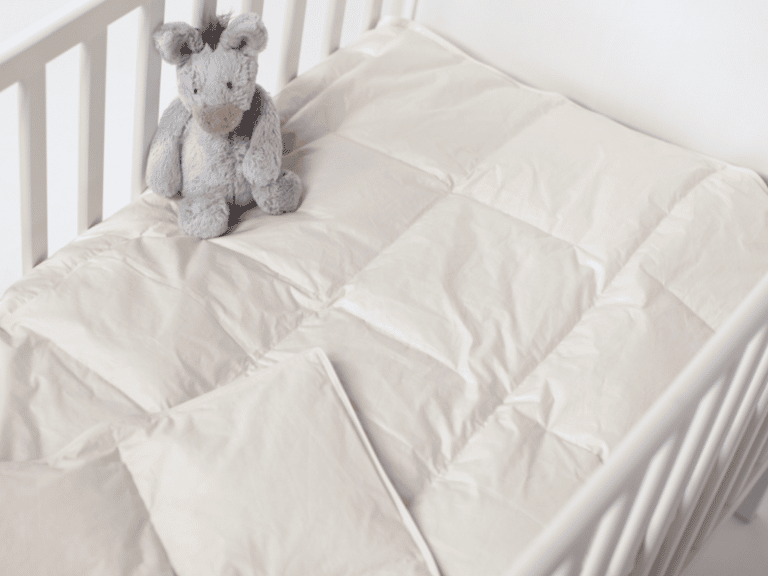
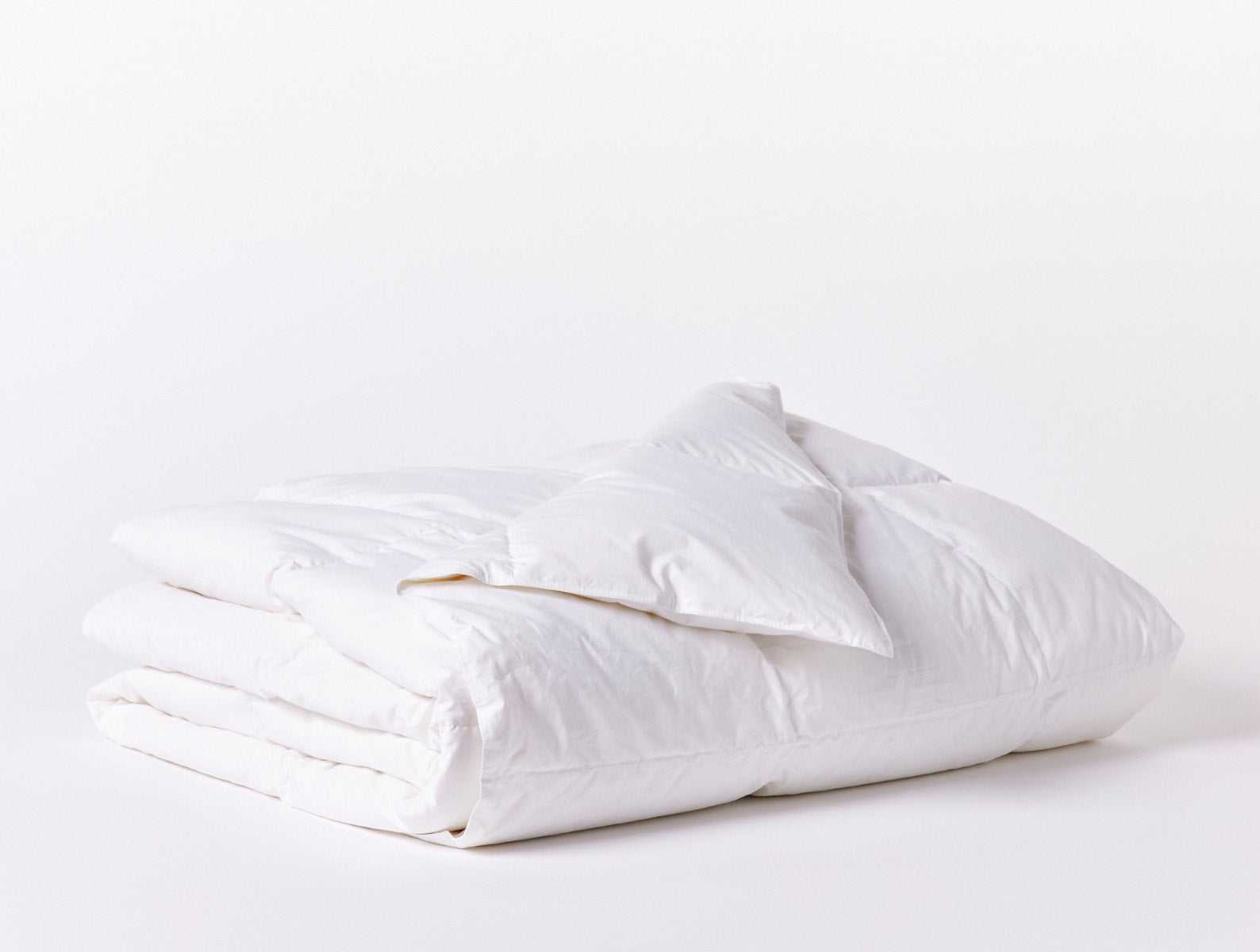
Bedding is a foundational element of a good night’s sleep, blending comfort, temperature regulation, and tactile feel. This category emphasizes materials, weave, and weight, helping readers understand how different options influence warmth, breathability, and duvet layering. Key features such as fiber composition, thread count, and fill power support informed choices for varied climates and preferences.
Lightweight bedding focuses on breathable fabrics and reduced bulk, making it suitable for warm sleepers and layered setups. Materials like cotton, bamboo, and lightweight wool offer moisture-wicking properties and improved airflow, contributing to a cooler sleep surface without sacrificing insulation. Understanding weave, loft, and finish aids in selecting the right balance of softness and durability.
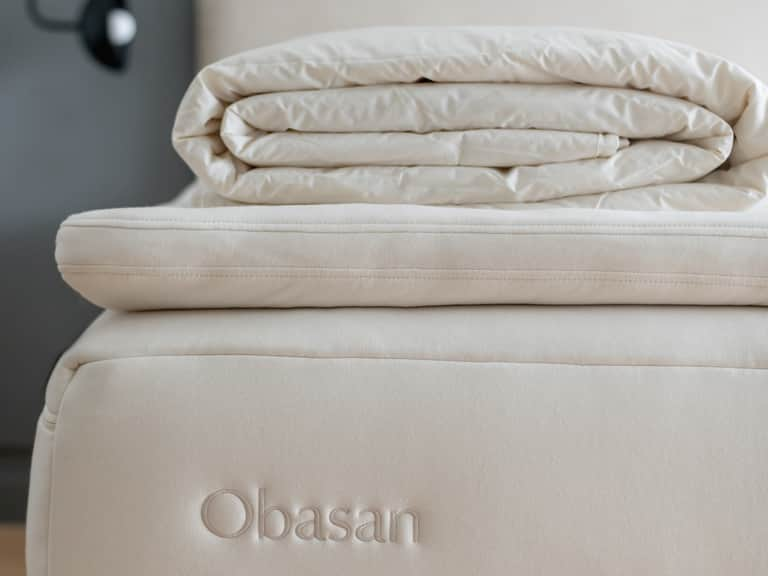
Wool comforters, including the Obasan Light Weight Wool Comforter, illustrate how natural fibers provide temperature regulation through moisture management and insulating fibers. Lightweight wool maintains warmth in cooler nights while remaining breathable, helping to prevent overheating. These features are valuable for year-round comfort and minimal steady heat buildup.
In considering product relevance, the interplay between fill, shell fabric, and care requirements matters. Wool-filled options often require specific washing guidance and gentle handling, while shell fabrics influence tactility and long-term resilience. Recognizing care needs and performance characteristics supports sustainable use and consistent comfort over time.
Keywords such as bedding, comforters, and wool comforters anchor this category’s focus, clarifying why material choice matters for sleep quality. By evaluating construction details, temperature regulation, and maintenance considerations, readers gain practical knowledge for selecting appropriate lightweight bedding for diverse environments and personal preferences.
 Bedding