Duvets are versatile sleep coverings designed to provide warmth while maintaining a lightweight feel, making them suitable for varying climates and personal preferences. In this category, emphasis is placed on understanding fill materials, fabric textures, and construction methods that influence warmth, breathability, and durability. Key considerations include envelope vs. baffle-box design, thread count, and care requirements to preserve loft and comfort over time.
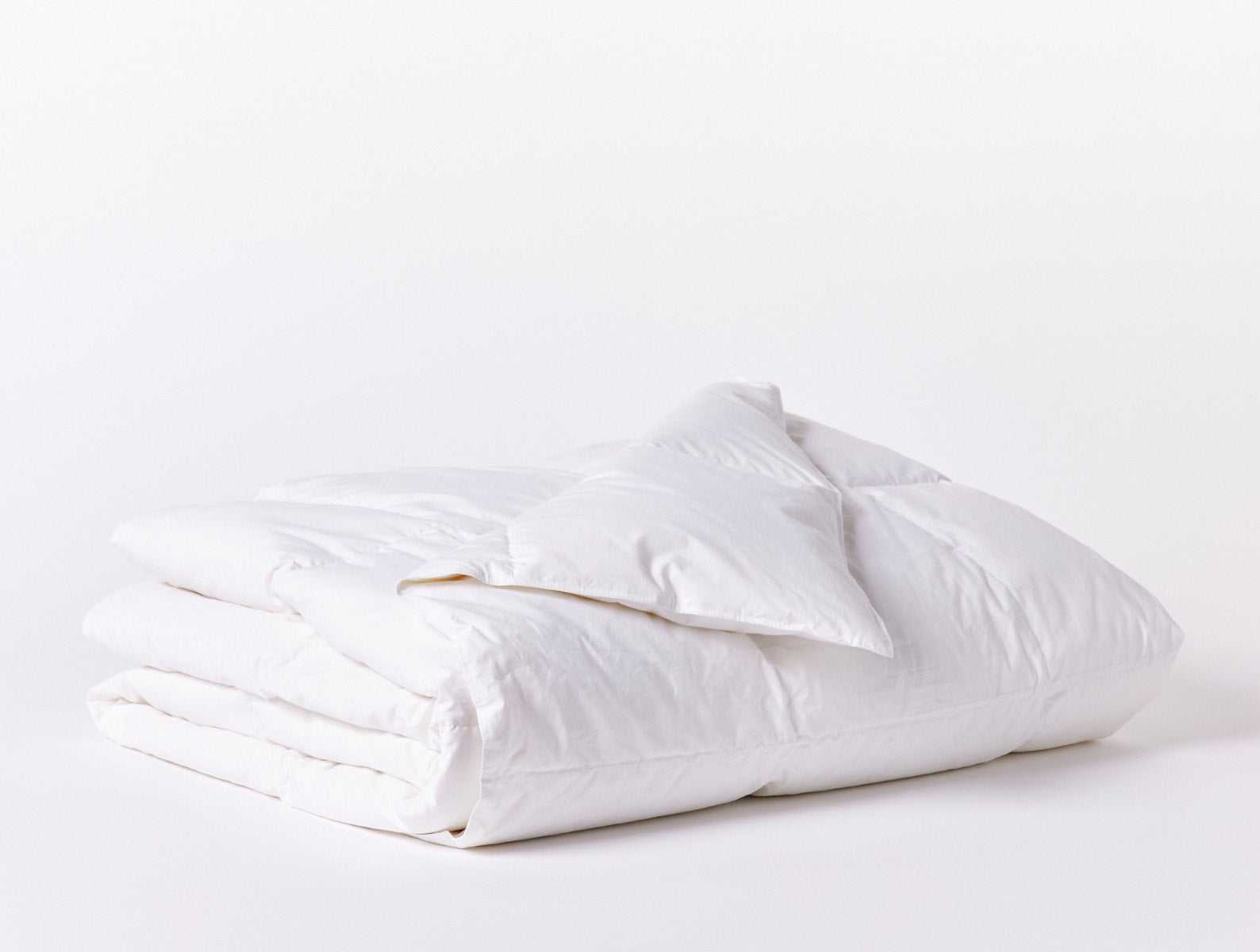
Lightweight down duvet inserts focus on balancing insulation with aeration, often using high-quality down for warmth without bulk. These products typically feature features such as differential loft, corner tabs, and hypoallergenic finishes. Understanding fill power, weight, and compression helps determine suitability for summer use or transitional seasons and enhances overall sleep quality.
Within the bedding category, wool and synthetic alternatives offer distinct advantages, with wool comforters providing natural moisture-wicking and temperature regulation benefits. Down comforters, by contrast, emphasize loft and warmth-to-weight efficiency. Each option serves different preferences for climate control, allergen sensitivity, and ease of care in routine laundry routines.
When evaluating lightweight duvet inserts, attention to fabric shell choices, such as cotton percale or sateen weaves, impacts tactile feel and breathability. Construction details like box stitching prevent lumping of fill material, while edge piping can improve durability. These elements collectively influence long-term performance, comfort consistency, and ease of maintenance.
In practical terms, selecting a lightweight duvet involves aligning cover fabric, fill type, and intended environment with personal warmth needs. Consider how a lightweight down duvet insert or wool comforter interacts with bedding layers, room temperature, and seasonal changes to achieve a balanced sleep environment that supports restful nights and consistent comfort.
 Bedding